The film world is grieving the loss of a man who helped shape one of the most iconic spy franchises ever made. His work stretched from raw, emotional storytelling in his home country to the high-stakes world of Hollywood action.
His family released a heartfelt statement saying: “His legacy endures with every filmmaker he inspired, every boundary he broke, and every story he told with his genius eye and honest heart.” They called him a charismatic leader and a fierce creative spirit who always lifted others around him and stayed true to stories about identity.
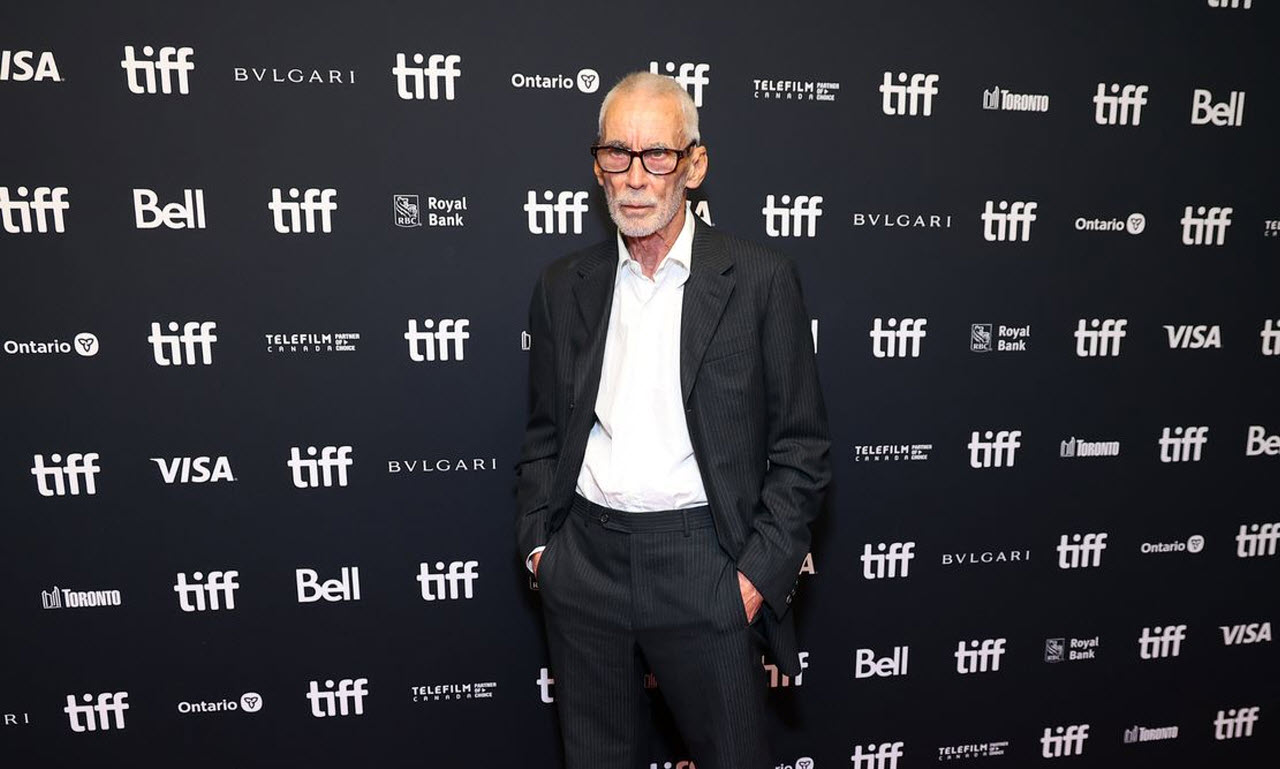
He first gained worldwide recognition with a powerful drama about a struggling Māori family that became New Zealand’s highest-grossing film at the time. That success opened the door to major Hollywood productions, where he went on to direct stars like Anthony Hopkins, Morgan Freeman, and Pierce Brosnan.
In 2002, he stepped into one of the biggest roles a director could have, leading the James Bond movie Die Another Day. It featured Brosnan as 007, Halle Berry in her famous orange bikini, and Madonna’s hit theme song. The film divided critics but became a major box office success and marked Brosnan’s final outing as Bond.
After years in Hollywood, he returned home to focus once again on the culture and stories that first defined his career. His later movies, including Mahana and The Convert, showed his deep connection to Māori identity and storytelling.
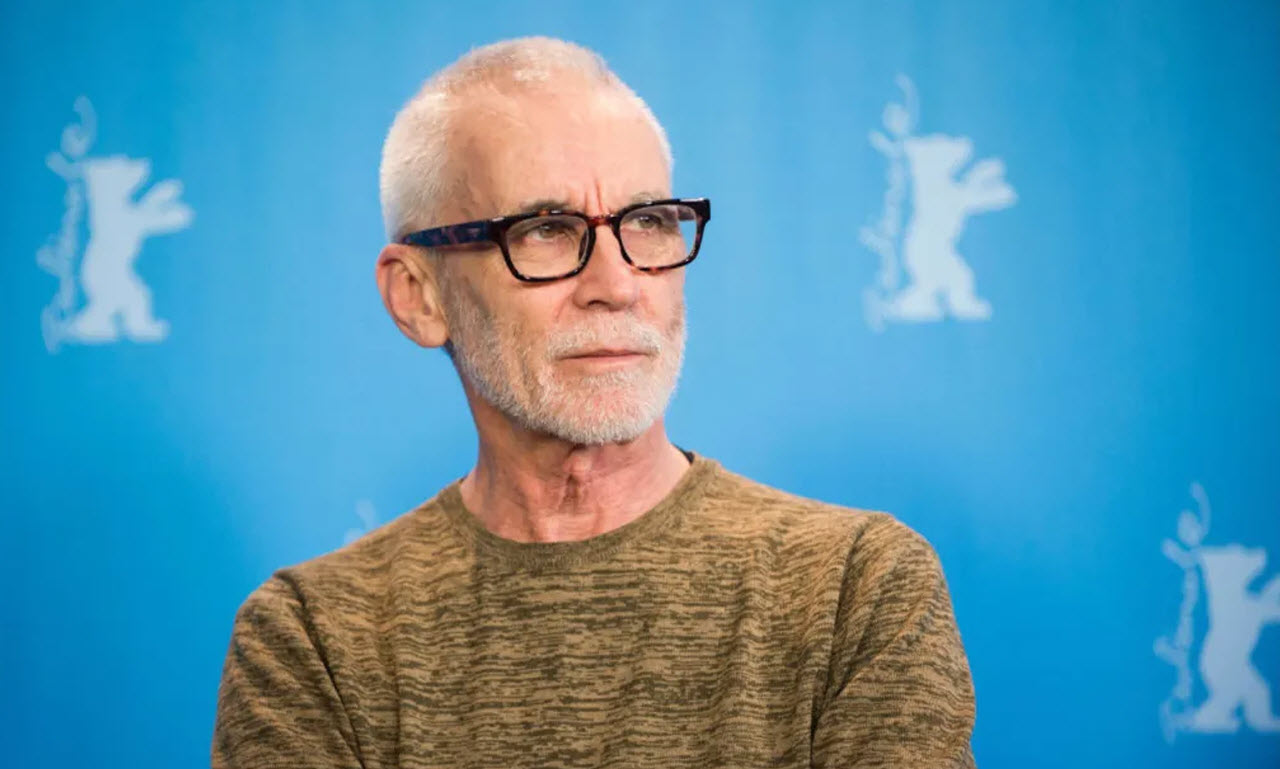
The man behind these achievements was Lee Tamahori, born in Wellington, New Zealand, in 1950. He began his career in the 1970s and 80s, working on film sets across New Zealand and Australia before becoming known for his directing skill. He went from crew member to director, learning from industry veterans and eventually making his own mark.
Tamahori passed away peacefully at 75 after a battle with Parkinson’s Disease. His family said: “We’ve lost an immense creative spirit.” His influence stretched across decades and continents, uniting Hollywood spectacle with deeply personal storytelling from his homeland.