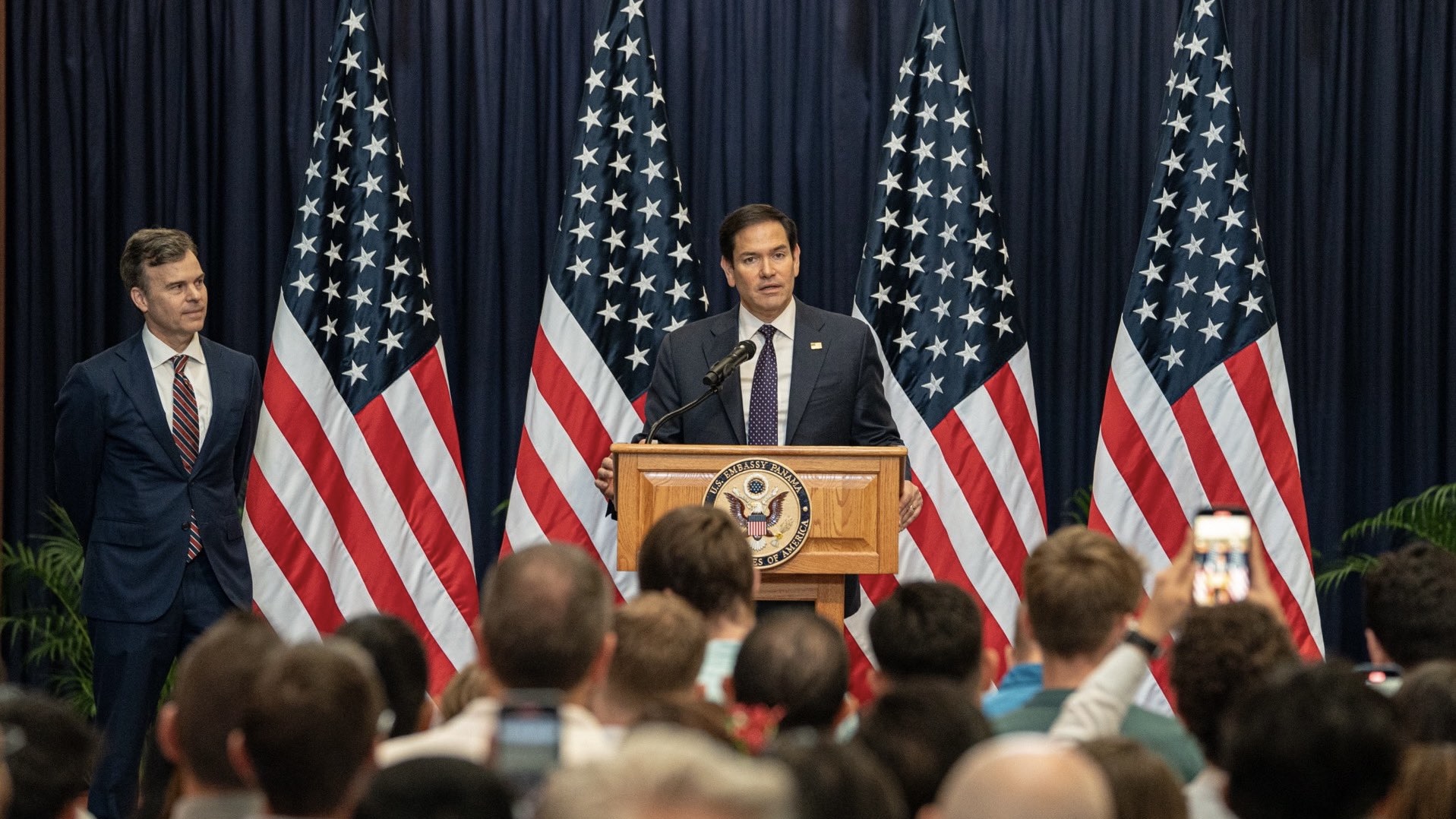
On December 25, 2025, the world watched as President Donald Trump and Senator Marco Rubio made a history-defining announcement that would shake the very foundation of the American tax system. In front of a packed Madison Square Garden, they boldly declared that every American over the age of 65 would be exempt from paying federal income taxes, forever. This stunning proclamation sent shockwaves through the political landscape and ignited a nationwide conversation on taxation, economic fairness, and the future of America’s senior citizens.
The event was dubbed the “Tax Grace Supernova,” a nod to the explosive impact it was expected to have on the country. The rally, which saw over 80,000 attendees, was not just a political gathering—it was a call to action, a declaration of independence for seniors who have spent their lives building and sustaining the nation. In this article, we will explore the significance of this moment, the promises made, the reactions it sparked, and what it means for the future of the American economy.

Trump signs spending bill to end longest US gov’t shutdown in history
The Rise of the “Tax Grace Supernova”
It all began with a simple yet powerful statement: “Every American over 65 – ZERO federal income tax, FOREVER!” President Trump, flanked by Senator Rubio, stood before a crowd of supporters and made a bold claim that would change the course of American politics. The promise was clear—senior citizens, the very individuals who built this nation, would no longer be burdened by the federal tax system.
Trump’s words resonated deeply with the audience: “Senior citizens, you built this nation. You fought for it, you paid your dues. Now it’s YOUR turn. No more taxes—EVER! Social Security will be yours, untouched. Trillions of senior wealth will fuel our economy like never before!”
The magnitude of the declaration was immediately apparent. The crowd erupted into applause, waving flags and chanting, “No more taxes! No more taxes! Trump! Rubio!” The atmosphere was electric, filled with a sense of purpose and unity. This was not just about tax reform—it was a celebration of the contributions seniors have made to the country and a promise of financial liberation.
The Historical Context: Seniors as the Backbone of America
To truly understand the significance of this declaration, it’s important to reflect on the role seniors have played in shaping the United States. For decades, seniors have been the cornerstone of American society, from the hardworking individuals who built the nation’s infrastructure to the veterans who fought for freedom and democracy across the globe. These men and women sacrificed their youth, their health, and their resources to build a stronger, more prosperous nation.

Yet, despite their contributions, seniors have often found themselves at the mercy of a tax system that takes a significant portion of their income during their retirement years. Social Security, which was meant to provide financial security, has been under constant threat due to budget cuts and political gridlock. Many seniors live on fixed incomes, struggling to make ends meet, while the cost of living continues to rise.
This is where Trump and Rubio’s “Tax Grace Supernova” comes in. By eliminating federal income taxes for those over the age of 65, they are acknowledging the sacrifices these individuals have made and offering them the respect they deserve. It’s a form of financial justice—an acknowledgment that seniors have paid their dues and should no longer be burdened by the very system they helped create.
Trump & Rubio tighten the noose on Cuba : Peoples Dispatch
The Political Strategy Behind the “Tax Grace Supernova”
While the promise of zero taxes for seniors may sound like a political masterstroke, it’s important to understand the political strategy behind this bold move. For Trump and Rubio, this was not just about pleasing an older demographic—it was about securing the future of the Republican Party and reshaping the American political landscape.
Seniors are one of the most reliable voting blocs in America. They turn out to vote in large numbers, and their concerns about Social Security, Medicare, and taxes have long been a driving force in elections. By offering them a permanent tax exemption, Trump and Rubio are sending a clear message that they value seniors and will fight to ensure their financial well-being.
Furthermore, this move is a direct challenge to the traditional tax system, which many Republicans have criticized for being too complex and burdensome. By targeting seniors, they are framing this as a fight for the “little guy”—the hardworking Americans who have paid their taxes for decades and are now reaping the rewards of their efforts.
The Social Media Explosion: #NoTaxOnSeniors
The announcement at Madison Square Garden set social media ablaze. Within minutes, hashtags like #NoTaxOnSeniors and #TrumpRubioSupernova began trending worldwide. The story dominated news feeds, with millions of people expressing their support for the proposal. Memes, videos, and posts flooded social media platforms, with many calling it a game-changer for seniors across the country.
Critics, however, were quick to voice their concerns. Economists warned that the proposal could lead to a significant loss in federal revenue, potentially disrupting the country’s already fragile fiscal situation. Some argued that the move could disproportionately benefit wealthier seniors, leaving younger generations to shoulder the financial burden.
Despite these concerns, the overwhelming response from the public was one of excitement and support. Over 600 million signatures flooded online petitions, demanding immediate action on the proposal. It became clear that the majority of Americans were in favor of rewarding seniors for their contributions to society and providing them with the financial freedom they deserve.
Inside Trump’s plan to turbocharge foreign arms sales – POLITICO
The Economic Implications: Boom or Bust?
The proposal to eliminate federal income taxes for seniors has far-reaching implications for the American economy. On one hand, it could stimulate economic growth by freeing up disposable income for millions of seniors, allowing them to spend more on goods, services, and investments. This, in turn, could lead to a surge in consumer spending, benefiting businesses across the country.
On the other hand, critics argue that this could lead to a significant shortfall in federal revenue, forcing the government to cut spending in other areas. Social Security and Medicare are already under pressure, and the elimination of tax revenue from seniors could exacerbate these problems.
The challenge for lawmakers will be finding a balance between providing relief to seniors and ensuring that the government remains financially stable. The Trump-Rubio plan calls for seniors’ Social Security benefits to remain untouched, but critics worry that this could lead to cuts in other areas, such as education, healthcare, and infrastructure.
A New Era for America’s Seniors
Despite the controversy, one thing is certain: this proposal marks a new era for America’s seniors. It is a bold statement that says, “We see you. We value you. And we’re going to ensure that your hard work is never forgotten.” By providing tax relief to seniors, Trump and Rubio are acknowledging the sacrifices made by generations of Americans who have contributed to the nation’s prosperity.
The question remains: will this proposal become a reality? The political and economic hurdles are significant, but the overwhelming support from seniors and their families cannot be ignored. As the debate over tax reform continues, one thing is clear: America’s seniors are no longer willing to be left behind.
Hegseth slams media corps for ‘fake news’ about strikes on Iran, ignoring historic moments
A Revolutionary Moment in American History
The “Tax Grace Supernova” is more than just a political promise—it is a declaration of independence for America’s seniors. It is a recognition of their contributions, their sacrifices, and their enduring role in shaping the nation. Whether or not the proposal will be implemented remains to be seen, but one thing is certain: it has ignited a conversation about the future of taxation, the importance of honoring our elders, and the power of financial freedom.
As the story continues to unfold, it will be fascinating to watch how the political landscape shifts in response to this groundbreaking proposal. Will it usher in a new era of prosperity for America’s seniors, or will it be remembered as a bold idea that was never fully realized? Only time will tell.