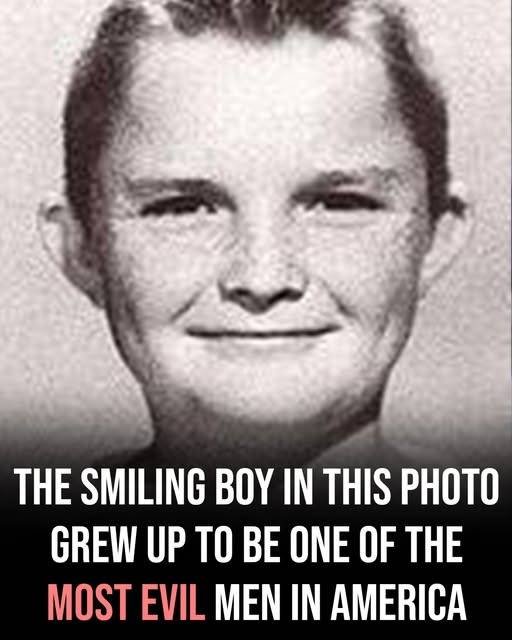
The most terrifying monsters are not the ones who lurk in the shadows, but the ones who blend seamlessly into the daylight. The story of Randy Kraft is a chilling reminder that a history of violence can hide behind a facade of utter normalcy. The boy who grew up in post-war Southern California was intelligent, polite, and meticulously neat, showing early signs of a mind that craved order and control. To his teachers and neighbors in Westminster, he was a model student—clean-cut, academically gifted, and active in student government. This polished exterior, however, was the perfect shell for what would later be revealed as a brutal and calculating serial killer.
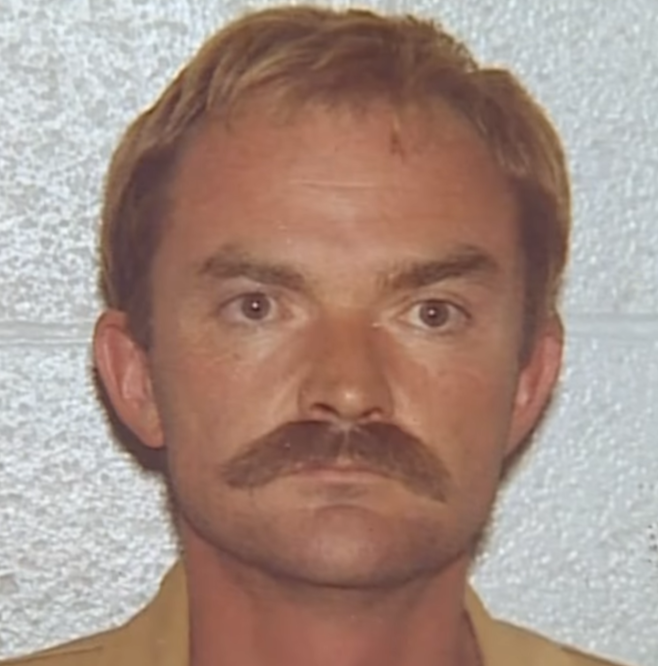
His journey from a conservative, straight-A student to the man known as the Scorecard Killer involved a significant personal transformation. During his time at Claremont Men’s College, his staunch political views began to soften, and he started attending anti-war rallies. More profoundly, he began to come to terms with his homosexuality, a revelation that shocked his family and led to his discharge from the Air Force Reserve. This period seemed to mark a turning point, a drift away from the structured path he had once followed into a much darker and more chaotic existence.
After college, Kraft settled into the coastal nightlife of Long Beach, working as a bartender and computer programmer. To acquaintances, he was articulate, well-dressed, and courteous. But behind this urbane mask, a predator was emerging. He began using drugs and alcohol heavily, and his behavior became erratic. It was during this time that the first known incident occurred, with a 13-year-old runaway reporting being drugged and assaulted. Police even found the boy’s shoes in Kraft’s apartment, but a legal technicality allowed him to walk free, a failure that would have devastating consequences.
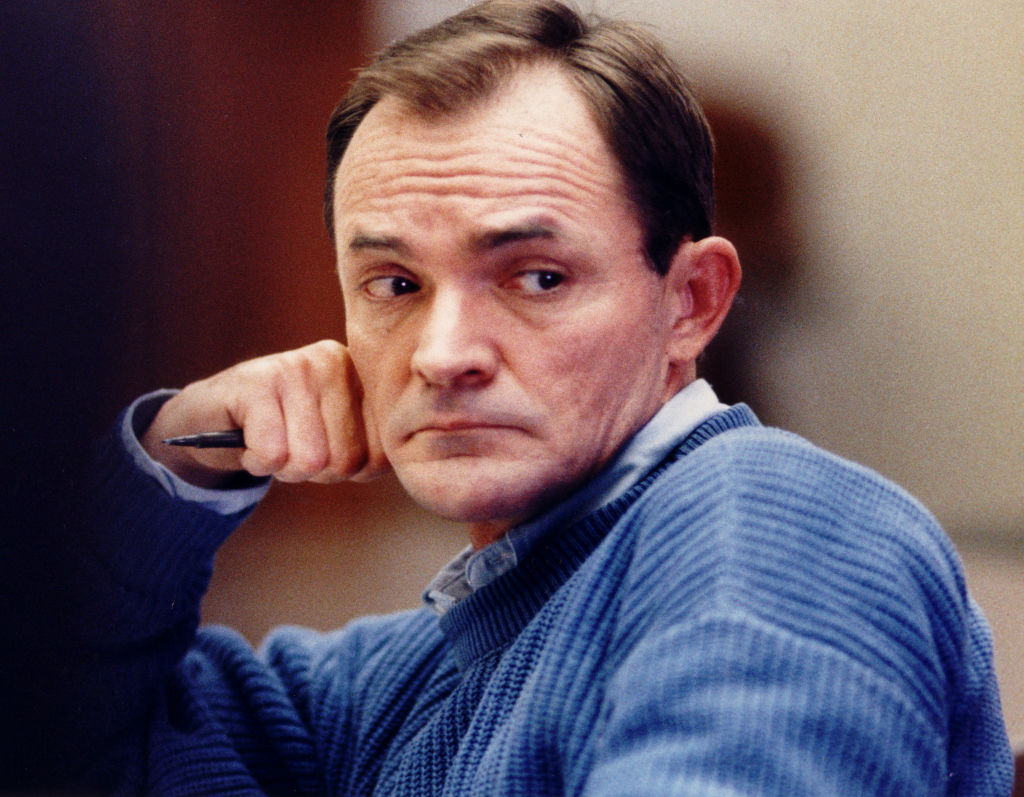
For over a decade, from 1971 to 1983, a grim pattern of deaths terrorized Southern California. Young men, often Marines or hitchhikers, vanished, their bodies later discovered along highways and in remote fields. The killings were methodical, with victims being drugged, restrained, and subjected to torture. While investigators from multiple jurisdictions slowly connected the cases to a single predator, Kraft continued his double life, living comfortably and working a steady job, all while hunting for his next victim with cold-blooded precision.
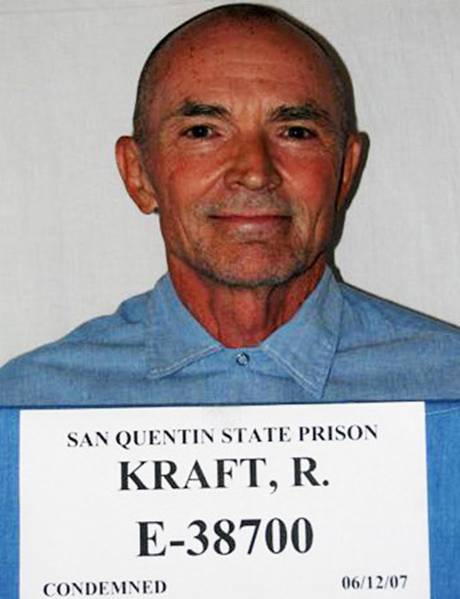
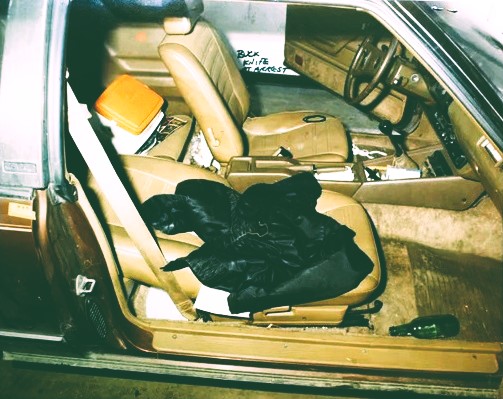
The reign of terror ended not through a complex investigation, but by sheer chance. In May 1983, police pulled over Kraft’s car for a traffic violation and discovered the body of a young Marine in the passenger seat. This immediate arrest opened the floodgates. A search of his home uncovered a nightmare: photographs of victims, their personal belongings, and a cryptic list of over sixty entries that detectives believed was a “scorecard” of his murders. In 1989, after a long and costly trial, Randy Kraft was convicted of 16 murders and sentenced to death, where he remains, a silent and unrepentant old man, his list of victims likely far longer than the justice system could ever prove.