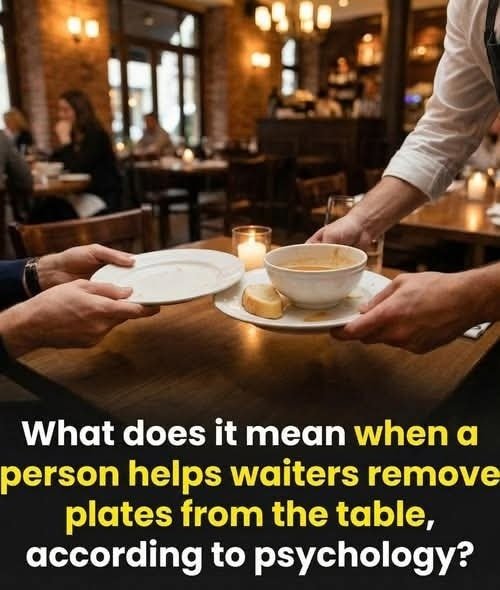
If you spend enough time in restaurants, you start to notice a familiar moment when things get busy. Someone at a table gathers empty plates before the waiter even makes it back, or maybe that someone is you and you barely think about it.
If you have seen this happen, or found yourself doing it, it might seem like nothing more than being polite. But helping waiters is not just a random act of kindness, and psychology suggests there is usually a reason people step in like that.
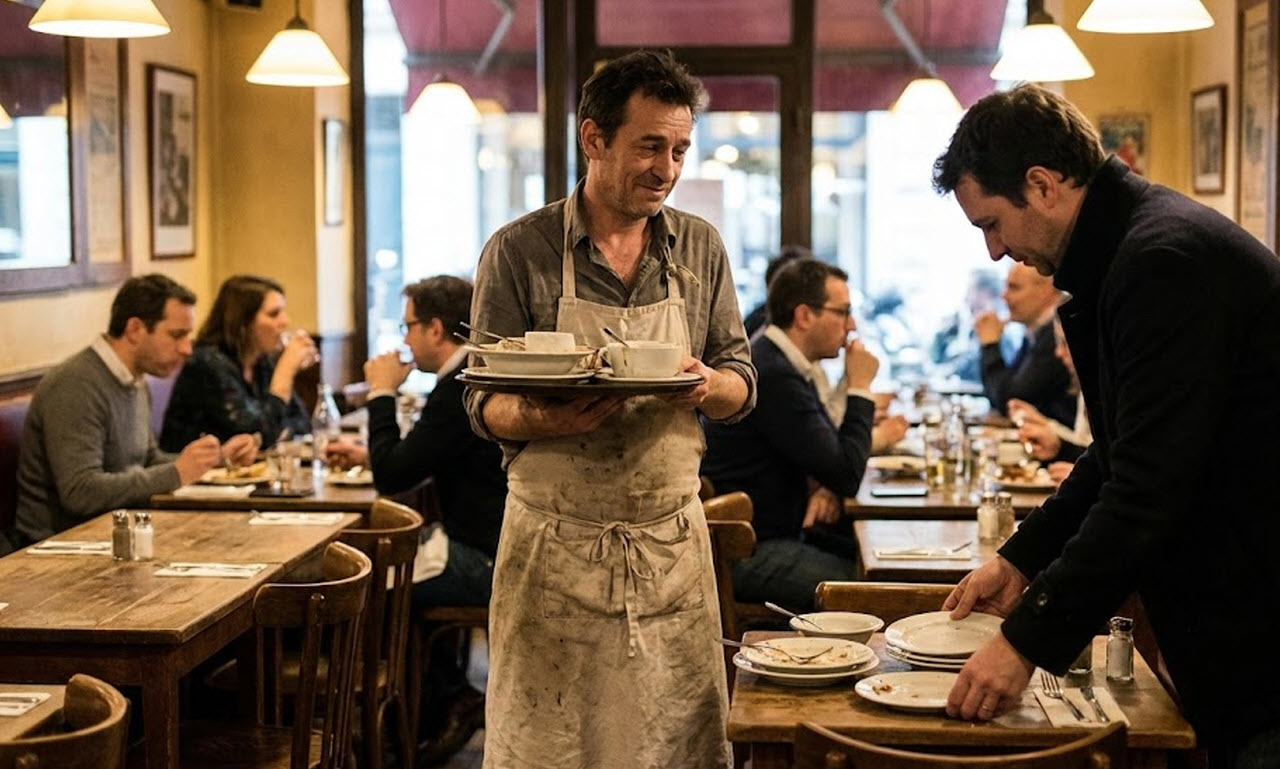
Most people who do this are not trying to get attention or praise. Some worked in restaurants before and remember long shifts, sore feet, and trying to stay friendly while juggling too much at once. Others are simply observant, noticing when someone nearby could use a small break.
Psychologists sometimes call this a micro-act of kindness, though it does not really need a label. It is just people noticing another person and choosing to make things a little easier, usually without saying anything or expecting thanks.
Not everyone helps, and that is normal, too. In some cultures, it can feel rude to interfere, and some guests are unsure whether their help would actually be welcome. Others are just focused on their own conversation and never notice what is happening around them.
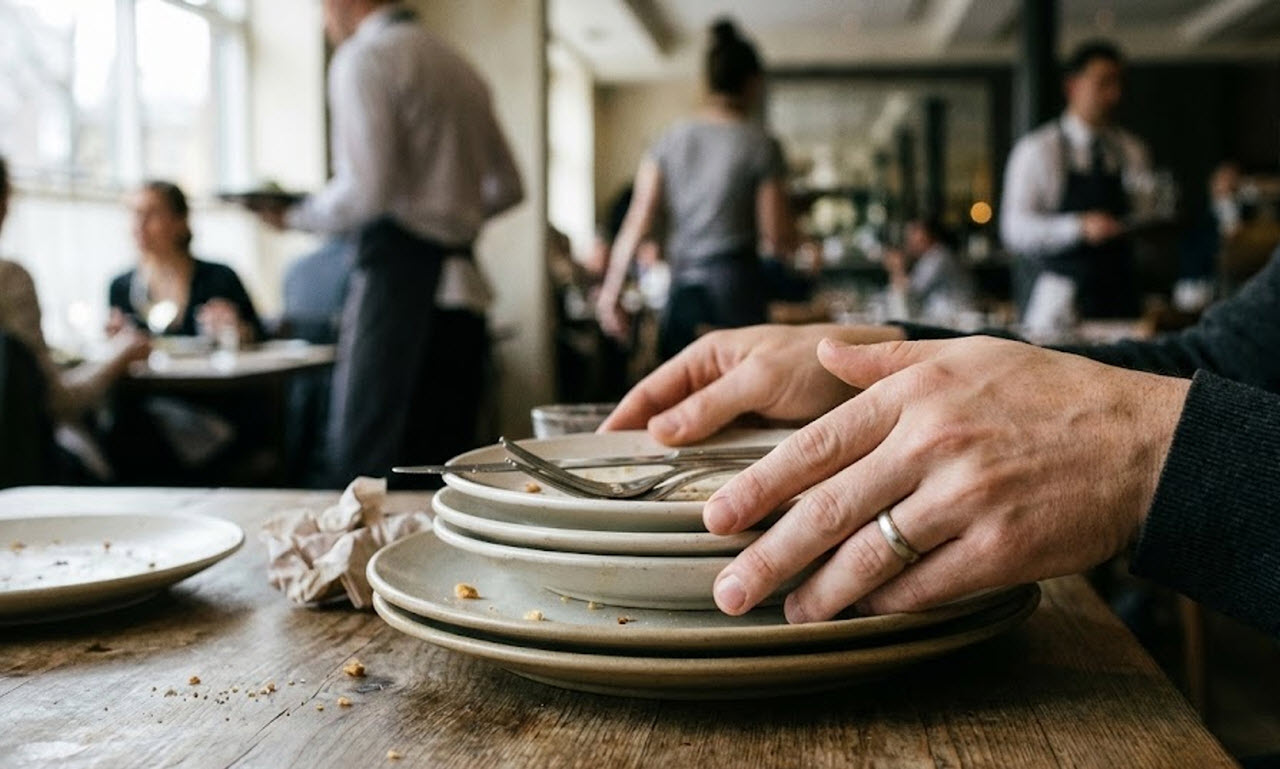
For the person working, that small gesture can still mean a lot. It can break up the rush, lighten the load for a moment, and remind them that the room is not completely indifferent to how hard they are working.
Helping a waiter is not really about clearing plates. It is about seeing someone doing a demanding job and choosing, even briefly, to make their day a little easier. And when you think about it, that is what kindness usually looks like, small choices that matter more than we expect.