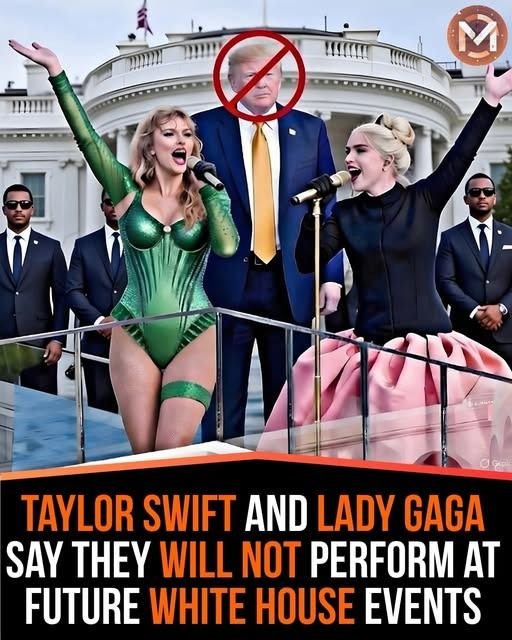
In an era where politics and culture are increasingly intertwined, the recent decision by pop icons Taylor Swift and Lady Gaga to publicly announce that they will not perform at future White House events has sparked significant debate. This bold statement has sent ripples through both their fanbases and the broader entertainment world, igniting conversations about the role celebrities play in political discourse, the power of public figures, and whether musicians should use their platforms to engage with politics.
While many supporters have praised both artists for standing by their personal values, others question whether entertainers should wield such influence over public affairs. This decision raises important questions about the responsibilities of celebrities, the evolving nature of political engagement, and how the world views the intersection of entertainment and politics in today’s divided society.
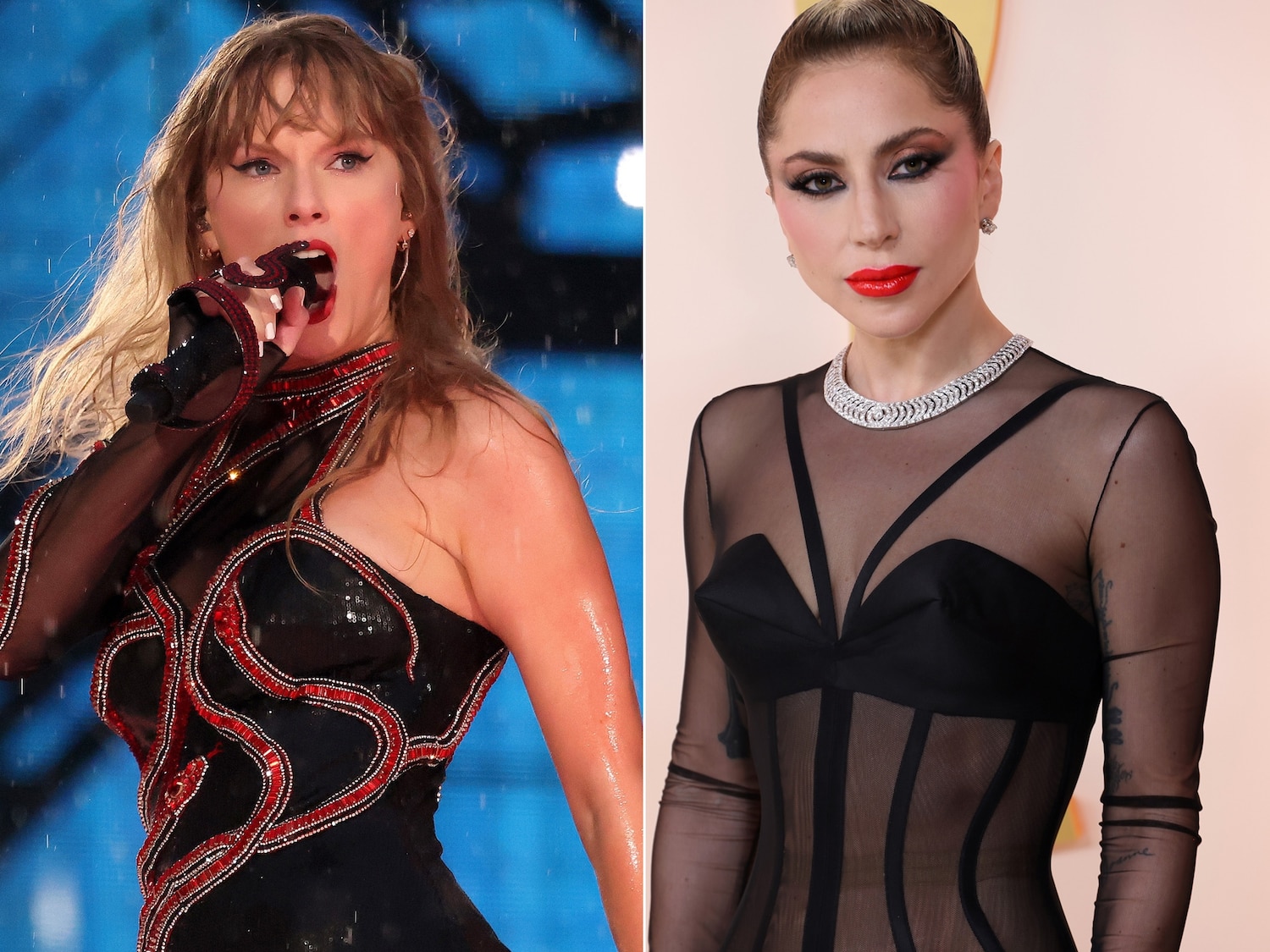
In this article, we will explore the factors behind Swift and Gaga’s decisions, the growing intersection of entertainment and politics, and how these cultural figures are navigating the complex world of public influence and personal beliefs. As we look at their actions, we’ll examine the broader implications of celebrity activism and its impact on both the music industry and political discourse.
Taylor Swift defends Lady Gaga after Gaga denies pregnancy rumors: ‘Invasive and irresponsible’ – ABC News
The Power of Celebrity Influence: A Double-Edged Sword
Celebrities have long held a special place in society, not only as entertainers but also as influencers. With the rise of social media and 24/7 news cycles, musicians, actors, and other public figures have gained unprecedented access to millions of people across the globe. This has given them a platform to influence public opinion, drive social change, and even shape political landscapes.
For artists like Taylor Swift and Lady Gaga, their influence extends far beyond the music industry. Their massive fanbases—spanning diverse demographics—look up to them not just for their musical talents but for their values, personalities, and social consciousness. With this kind of influence comes power, and with power comes responsibility. The question arises: should celebrities use their platforms to engage in political and social issues, or should they maintain a neutral stance to preserve their art from being overshadowed by political affiliations?

Both Swift and Gaga have a history of using their platforms to advocate for causes they believe in, from LGBTQ+ rights to social justice issues. Their decision to publicly state that they would not perform at White House events stems from their individual political convictions, which they feel should not be compromised by the power structures within politics.
However, their refusal to perform at the White House has sparked polarized opinions. While some fans and critics admire their willingness to take a stand for what they believe in, others argue that entertainers should remain apolitical, choosing instead to entertain and leave political discourse to the politicians.
The Personal Beliefs Behind Their Decisions
For Taylor Swift and Lady Gaga, the decision to decline future White House performances is deeply rooted in their personal values and beliefs. Both artists have long used their public personas to advocate for causes that align with their political and social views, and their refusal to perform at the White House is no exception.
Lady Gaga Fans Think Taylor Swift Wrote a Track on Her Album—Here’s What We Know
Taylor Swift’s Activism: From Silence to Political Voice
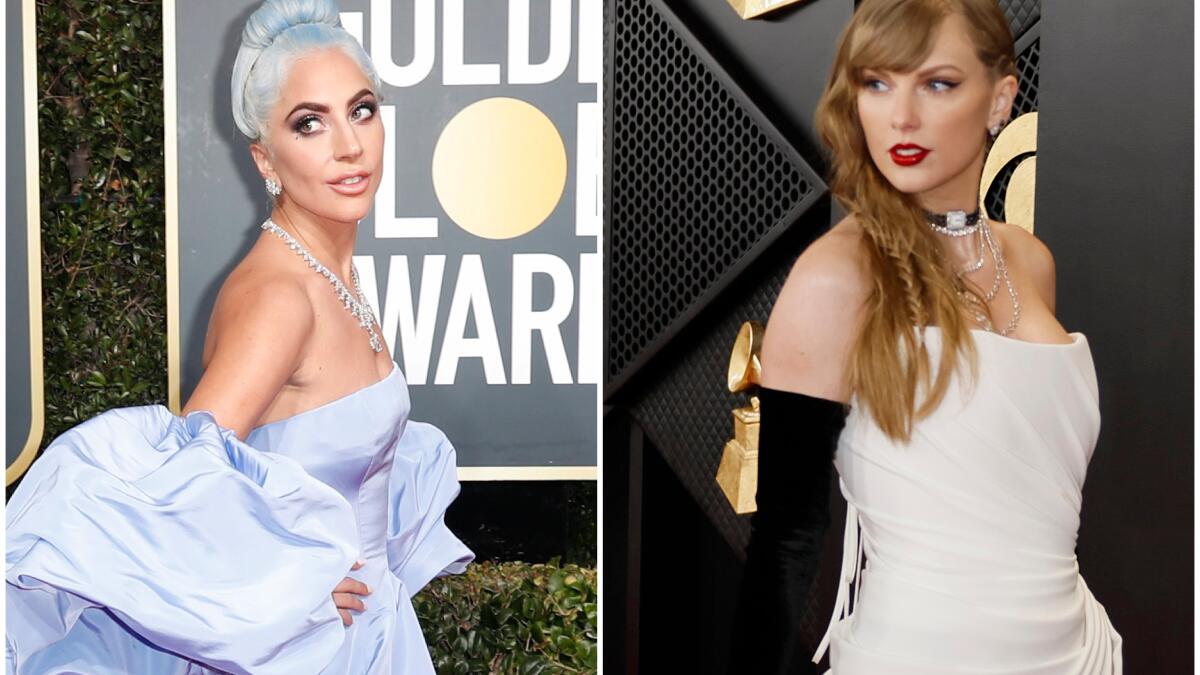
Taylor Swift, known for her carefully curated public image, has evolved over the years from a more private figure to an outspoken advocate for political and social causes. While she previously stayed out of political debates, Swift broke her silence during the 2018 midterm elections, urging her millions of followers to vote and encouraging them to consider candidates who support equal rights and social justice. Swift’s decision to speak out politically was a bold move, especially in the traditionally neutral world of country and pop music, where artists often shy away from publicly declaring their political views.
Swift’s stance on political engagement aligns with her own personal experiences and values. Over the years, she has spoken out about issues like gender equality, LGBTQ+ rights, and racism, reflecting her commitment to using her platform for good. Her refusal to perform at future White House events can be understood as an extension of this belief—an act of protest against political figures and policies that she sees as contrary to her personal convictions and those of her fans.
Lady Gaga: Using Art for Political Change
Lady Gaga is no stranger to activism. Throughout her career, she has used her fame to advocate for LGBTQ+ rights, mental health awareness, and women’s empowerment. Her support for various causes is as much a part of her identity as her music. Gaga’s outspoken stance on political issues, including her opposition to Donald Trump’s policies during his time in office, made it clear that she would not shy away from expressing her opinions, even at the risk of alienating parts of her fanbase.
Gaga’s refusal to perform at the White House is consistent with her history of challenging authority and standing up for marginalized communities. She has frequently used her music and public platform as a means to promote equality and justice, aligning with her personal belief that art should be a vehicle for social change. Like Swift, her refusal to perform at future White House events is rooted in her own political stance and a refusal to endorse a system she feels is actively harming the values she holds dear.
Lady Gaga denies pregnancy rumors, and Taylor Swift defends her – Los Angeles Times
The Backlash: Should Celebrities Stay Apolitical?
While many fans and supporters praise Swift and Gaga for standing firm on their political beliefs, their decisions have not been universally welcomed. Some critics argue that entertainers, particularly those with vast global followings, should avoid involving themselves in political debates. The concern is that political stances from celebrities could potentially alienate fans who hold opposing views. In this polarized political climate, where every public statement seems to be scrutinized, some believe that celebrities should simply focus on their art and avoid making political waves.
However, this argument overlooks the reality that celebrities have always influenced society in profound ways. From Bob Dylan’s protest songs in the 1960s to Beyoncé’s politically charged performances, artists have long been at the forefront of cultural movements. The idea that celebrities should “stick to their art” ignores the impact that their voices can have on shaping public opinion and sparking important conversations.
The Role of Artists in Political Discourse
In many ways, artists are the heartbeat of cultural and political change. History is filled with examples of musicians, actors, and other public figures who have used their platform to challenge the status quo and promote important social change. Whether it’s the civil rights movement, anti-war protests, or LGBTQ+ rights, art has always been a powerful tool for advancing social justice and human rights.
For Taylor Swift and Lady Gaga, the decision to speak out against the political establishment and refuse to perform at the White House is part of a long tradition of artists using their influence for greater societal good. While some may argue that entertainers should avoid political engagement, there’s no denying that in today’s political climate, the voices of public figures can have a profound impact on shaping public discourse.
The Future of Celebrity Activism
As the debate over celebrity activism continues to evolve, one thing is clear: the intersection of entertainment and politics is no longer something that can be ignored. With social media amplifying every statement and action, celebrities have more power than ever to influence public opinion and encourage political engagement.
In the case of Taylor Swift and Lady Gaga, their refusal to perform at White House events may be seen as a turning point in the conversation about the role of celebrities in politics. By taking a stand, they’ve shown that the power of celebrity activism isn’t just about raising awareness for social causes—it’s about actively participating in the political conversation and challenging those in power when necessary.
As we look ahead, it will be interesting to see how other musicians, actors, and public figures navigate this new landscape. Will we see more celebrities taking a firm political stance, or will the pressure to remain neutral continue to dominate the entertainment industry? One thing is certain: the relationship between politics and entertainment is only going to become more intertwined as the influence of celebrities grows.
The Intersection of Entertainment, Politics, and Personal Beliefs
Taylor Swift and Lady Gaga’s decisions to refuse future White House performances have ignited a larger conversation about the role of celebrities in political discourse. Their outspoken stance challenges the status quo, questioning whether entertainers should remain neutral or use their platforms to advocate for change. As these two artists continue to make waves in the political world, their actions serve as a reminder that celebrity activism is more than just a trend—it’s a reflection of the times we live in, where art, politics, and personal values are inseparable.
Whether you agree or disagree with their actions, it’s clear that celebrities like Taylor Swift and Lady Gaga are leading the charge in a new era of political engagement. By standing firm in their beliefs, they are helping to shape the future of entertainment and the role it plays in society’s broader conversations. The question now is: how will others follow in their footsteps?