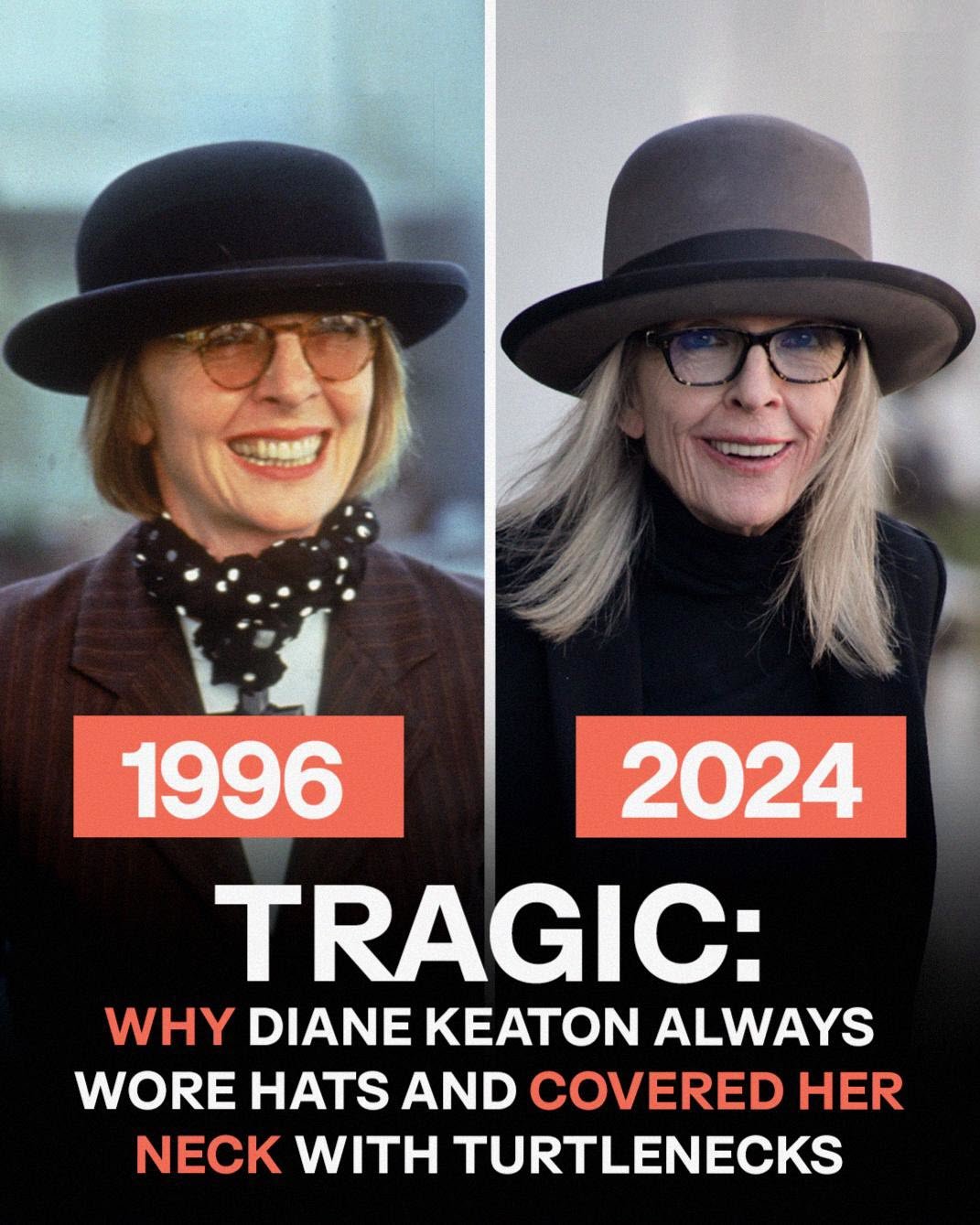
Even before she died at seventy nine, Diane Keaton was known just as much for her look as for her movies. The suits, the hats, the turtlenecks, they all became part of who she was. But behind that bold style was something far more personal.
In one of her final interviews, she explained that the clothes were not just a statement. They were protection, expression, and memory all wrapped into one. Style, for her, was a shield she carried every day.
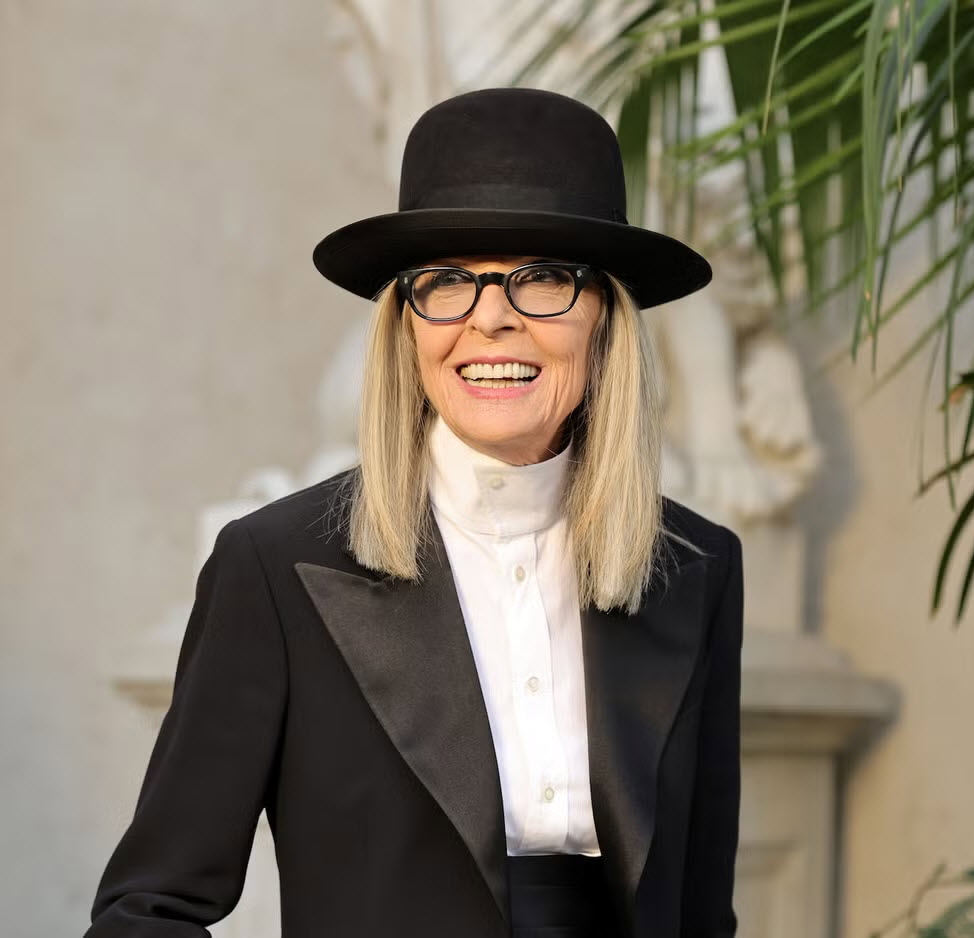
She once said: “A turtleneck, suit, large belt and of course a hat and glasses [sic]! Some things will never change for me.” That consistency was not accidental. It was something she held onto tightly.
Her love of high collars and wide-brimmed hats was tied directly to survival. Over the years, she spoke openly about her long fight with skin cancer, something that ran deep in her family. It was not a distant fear, it was a lived experience.
She explained her family history by saying: “It’s a family history. I remember my Auntie Martha had skin cancer so bad they removed her nose. My father had basal skin cancer and my brother had it. It’s tricky with this skin cancer. That’s why you’ve got to put the sunblock on [sic].”
When she was younger, she admitted she did not take sun exposure seriously. That changed later in life, especially once the risks became impossible to ignore. In her forties, daily sun protection became part of her routine.
In an interview, she shared a frightening moment: “Six years ago I had a squamous cell, which is serious. And I had it for a very, very long time [before it was diagnosed]. I knew something was up, but no one could find it.”
She went on to explain how difficult it was to diagnose, saying she had multiple biopsies before it was found. It was deep, dangerous, and not something she took lightly. That experience changed how she dressed forever.
After that, hats and high collars were no longer optional. They became armor, but also something creative and deeply personal. Dressing was still joyful for her, even while being careful.
She wore her hats religiously to keep the sun off her face. Turtlenecks and suits became part of the same routine. But the clothes were never dull or purely practical.
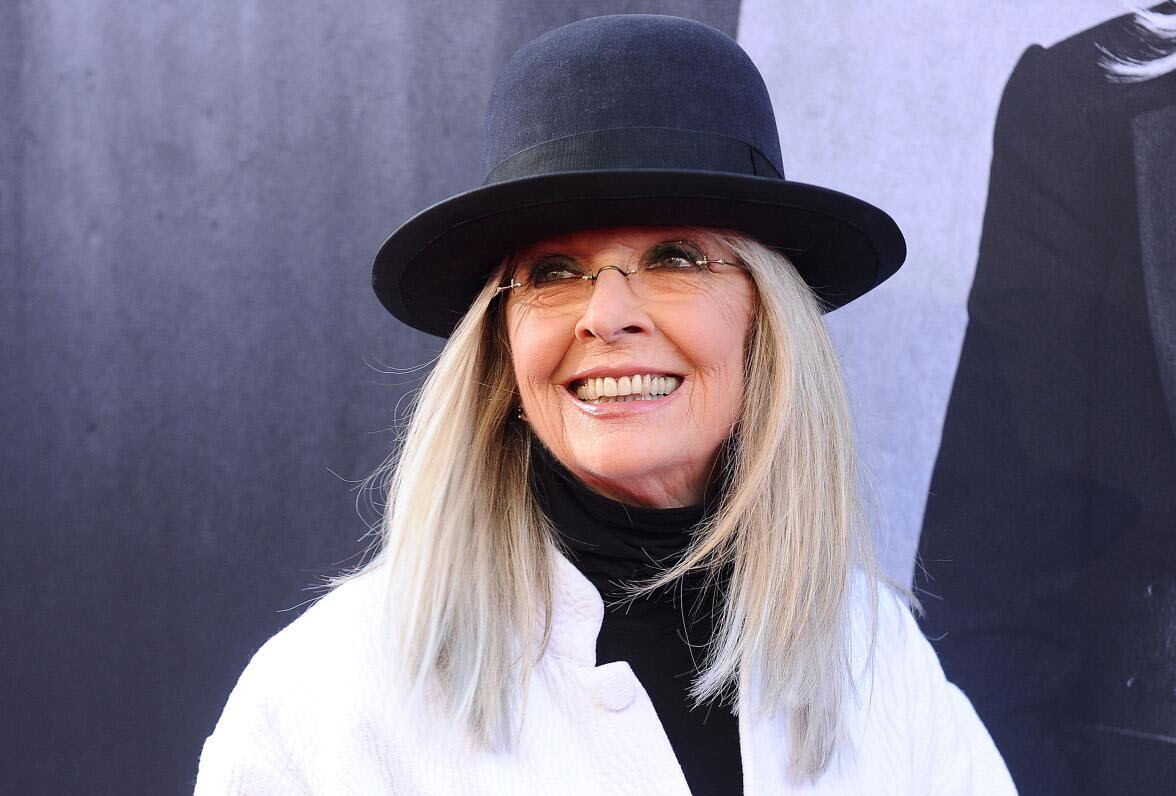
She loved getting dressed. Layering, textures, and timeless pieces made fashion playful again. It was still fun, even with rules.
She once admitted: “Yes, it’s very protective. It hides a multitude of sins. Flaws, anxiety, things like that. I would not feel comfortable in a short skirt or something cut off with my arms hanging out there.”
She added another simple truth: “And I’ve always liked hats. They just frame a head. But, of course, nobody really thinks they’re as great as I do.” That honesty was very much her.
Her boundaries were never about insecurity. They were intentional choices she made for herself. She made it clear that anything showing her body or skin was off limits.
For her, fashion was not about trends. It was about truth and comfort in her own skin. The hats and turtlenecks were part of owning her story.
In August 2024, that story was visible one last time. She was seen walking through Brentwood in the sun, calm and familiar. A wide brimmed hat, black turtleneck, and tailored blazer, just like always.
Few people realized that outing would be her final public appearance. When news of her death spread, fans looked back at those photos. She looked exactly like herself.
Reactions poured in online. Some praised her consistency, others commented on her health or appearance. But most expressed gratitude and sadness.
In the end, her legacy was not just about films or awards. It was about how she lived and protected herself. Every hat and every turtleneck told that story quietly, all the way to the end.