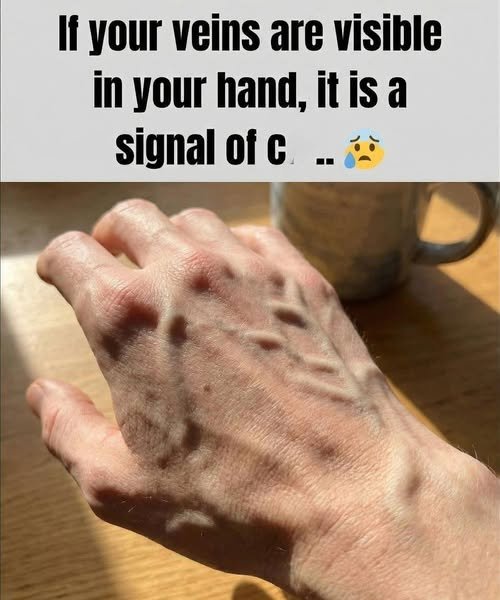
Visible veins are often a natural and shifting response to how the body interacts with its surroundings, largely driven by vasodilation.
During physical activity or exposure to heat, veins widen to handle increased blood circulation and to help regulate internal temperature, bringing blood vessels closer to the skin’s surface.
For people with lower body fat percentages or certain genetic traits, this vascular pattern can remain noticeable even when the body is at rest. In these cases, a pronounced or “veiny” look usually reflects an efficient circulatory system responding effectively to the body’s immediate needs.
The Role of Aging and Skin Changes
As we get older, veins tend to become more visible due to gradual thinning of the skin and the loss of collagen and elasticity. With less cushioning beneath the skin, it becomes more translucent, removing the natural “cover” that once concealed the veins below.
Ongoing dehydration can further accentuate this effect, as the skin loses fullness and settles more tightly around underlying tissues. Although these changes can be surprising, they are generally harmless and represent normal biological shifts rather than signs of an underlying health problem.

When Veins Appear Bulging or Twisted
If veins are not only visible but also raised, twisted, or swollen, the issue often lies with the valves inside the veins that help blood flow upward against gravity. When these one-way valves weaken, blood can collect in the limbs, leading to the blue or purple bulges commonly associated with varicose veins.
Situations such as long periods of standing, pregnancy, or major weight changes can place extra pressure on these vessels. While frequently viewed as a cosmetic issue, this type of vein change suggests increased strain and may benefit from supportive lifestyle measures.
Supporting Circulation and Knowing When to Act
Maintaining healthy circulation typically involves regular movement and simple preventive habits, including staying well hydrated and elevating the legs to reduce pressure. Although visible veins are usually a normal feature of human anatomy, it’s important to remain alert to warning signs such as sudden swelling, ongoing warmth, or skin sores that fail to heal.
Activities like daily walking and avoiding overly tight clothing can help reduce stress on the vascular system. By paying attention to these signals, it becomes easier to tell the difference between a normal vascular pattern and a condition that may need medical attention.