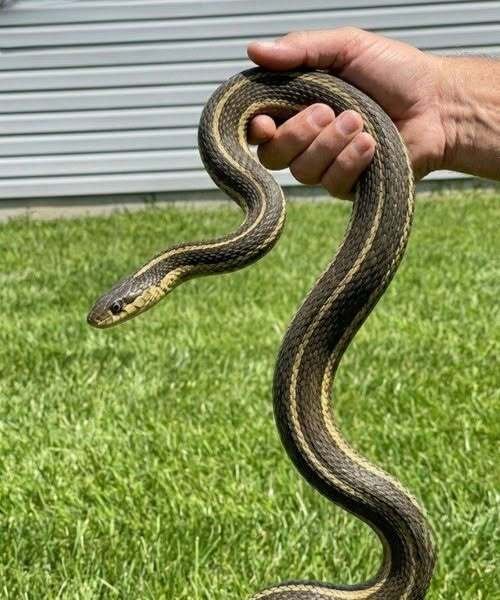
Very few creatures trigger fear as instantly and instinctively as a snake.
For centuries, snakes have occupied a strange and powerful place in human imagination. They are feared as silent predators, respected as ancient symbols, and woven deeply into mythology, religion, psychology, and folklore across countless cultures. Even today, many people experience a sudden physical reaction at the mere sight of one — racing heartbeat, tension, unease, or outright panic.
Because of that emotional power, encountering a snake can feel deeply unsettling whether it happens inside a vivid dream or unexpectedly in real life.
But to truly understand why snakes affect people so strongly, it is important to separate symbolism from reality while also recognizing the emotional and biological reasons these animals leave such a lasting impression on the human mind.
When a snake appears in a dream, the image rarely represents the literal reptile itself. More often, the subconscious mind uses the snake as a symbol connected to hidden emotions, unresolved stress, fear, anxiety, or situations the dreamer may be avoiding in waking life.
Dreams are closely tied to emotional processing, and snakes frequently emerge during periods of tension, uncertainty, betrayal, emotional conflict, or personal transformation. Because snakes naturally evoke caution and alertness, the brain often uses them as psychological warning symbols.
If the snake in the dream behaves aggressively, the meaning often feels more emotionally charged. A threatening serpent may symbolize betrayal, deception, manipulation, hidden danger, or a toxic relationship quietly developing beneath the surface of everyday life. In many cases, the dream functions almost like an internal alarm system urging the dreamer to confront uncomfortable truths before they become impossible to ignore.
The details of the dream matter enormously.
Being chased by a snake often reflects emotional avoidance. It can suggest that the dreamer is running from stress, guilt, fear, confrontation, or unresolved responsibilities. The pursuit itself symbolizes growing psychological pressure created by avoiding something that eventually demands attention.
A snake bite carries a different emotional message. It frequently symbolizes sudden realization, emotional pain, betrayal, or awakening to something previously ignored. The shock of the bite mirrors the emotional impact of finally seeing a painful truth clearly.
Not all snake dreams are negative, however.
A calm or non-threatening snake may symbolize wisdom, intuition, patience, emotional growth, or heightened awareness. In these dreams, the serpent often acts as a reminder to trust instincts, remain observant, and move carefully through important decisions or life transitions.
Likewise, seeing a dead snake often symbolizes closure and emotional release. It may represent freedom from fear, the end of a toxic relationship, healing from emotional pain, or overcoming something that once held significant power over the dreamer’s life.
Across many cultures and psychological traditions, snakes are also strongly associated with transformation and renewal.
This symbolism comes directly from their biological ability to shed old skin and emerge renewed. Because of that process, snakes are frequently connected to emotional rebirth, personal evolution, recovery, and self-discovery. During periods of grief, heartbreak, recovery, identity change, or major life transition, dreams involving snakes may symbolize the painful but necessary process of leaving behind an older version of oneself in order to grow.
While dream symbolism belongs largely to psychology and emotional interpretation, discovering a real snake inside your home requires a much more practical response.
In reality, snakes do not enter homes to deliver spiritual messages or supernatural warnings. Most enter searching for warmth, water, shelter, or food.
Snakes are extremely skilled at slipping through surprisingly small openings and are often drawn toward homes containing rodents, insects, frogs, or other prey. Basements, garages, laundry rooms, crawlspaces, storage areas, and kitchens can all become hiding places because they provide darkness, quiet, moisture, or protection.
A snake inside the house is often less about the snake itself and more about what attracted it there in the first place.
Wildlife experts strongly advise remaining calm during any indoor snake encounter. Panic, screaming, or sudden movement can frighten the animal and increase the likelihood of defensive behavior.
People should never attempt to grab, trap, injure, or kill a snake unless specifically trained to identify and safely handle reptiles. Many harmless species closely resemble venomous snakes, making identification extremely difficult for inexperienced homeowners.
The safest response is usually to slowly move children and pets away from the area while maintaining visual contact with the snake from a safe distance. If possible, containing the animal inside a single room can help professionals remove it more easily.
Animal control officers, wildlife specialists, or licensed pest professionals have the proper equipment and training necessary to safely remove snakes without causing harm to people or the animal itself.
Afterward, homeowners should carefully inspect the property for possible entry points.
Cracks in foundations.
Gaps beneath doors.
Openings around plumbing.
Damaged screens.
Unsealed crawlspaces.
All of these can allow snakes access indoors.
Addressing rodent or insect problems is equally important because prey animals are one of the primary reasons snakes move close to homes. Cleaning cluttered storage areas, trimming overgrown vegetation, removing debris piles, and maintaining dry outdoor spaces can significantly reduce the likelihood of future encounters.
Even today, many cultural and spiritual traditions still assign symbolic meaning to seeing a snake inside the home.
In some belief systems, snakes represent transformation, hidden tension, spiritual awakening, wisdom, protection, or emotional imbalance within a household. Their appearance is sometimes interpreted as a reminder to examine unresolved conflict, emotional boundaries, or changes unfolding beneath the surface of family life.
Whether those meanings are viewed spiritually or psychologically often depends on personal belief.
But one thing remains consistent:
Snake encounters leave powerful emotional impressions.
In dreams, snakes often reflect hidden fears, emotional wounds, transformation, intuition, or truths waiting to surface. In real life, they remind people to remain alert, protect their surroundings, and respect the natural world that exists beyond human control.
And perhaps that is why snakes continue affecting human imagination so deeply after thousands of years.
Because whether symbolic or real, they force attention toward things many people would rather avoid.
The hidden.
The uncomfortable.
The unresolved.
And in both dreams and reality, the message often feels strikingly similar:
What remains ignored in darkness rarely disappears on its own. Eventually, it demands to be seen.