Thimbles may seem like simple sewing tools, but their history stretches back thousands of years. These small protective caps, worn on the finger to push a needle through fabric, have been used across many cultures and time periods.
Early versions of thimbles were discovered in ancient civilizations, including Rome and China, where craftsmen used basic metal or bone designs to protect their fingers while working with textiles. Even though their shape was simple, the idea behind them was revolutionary for the development of sewing and tailoring. As textile production grew more important in human society, so did the need for better sewing tools. The thimble became an essential item for anyone working with fabric, from professional tailors to home seamstresses.
Evolution Through the Middle Ages
During the Middle Ages, thimbles became more refined and widely used in Europe. Metalworking techniques improved, allowing artisans to create stronger and more durable designs made from brass, iron, and silver. Cities known for craftsmanship, especially in Italy, Germany, and England, became centers for thimble production. Some thimbles were even decorated with engravings and patterns, turning them into both functional tools and small works of art. By this time, thimbles were no longer just practical items; they also reflected social status. Wealthier individuals often owned beautifully crafted silver thimbles, while simpler versions were used by everyday workers.
The Golden Age of Thimble Collecting
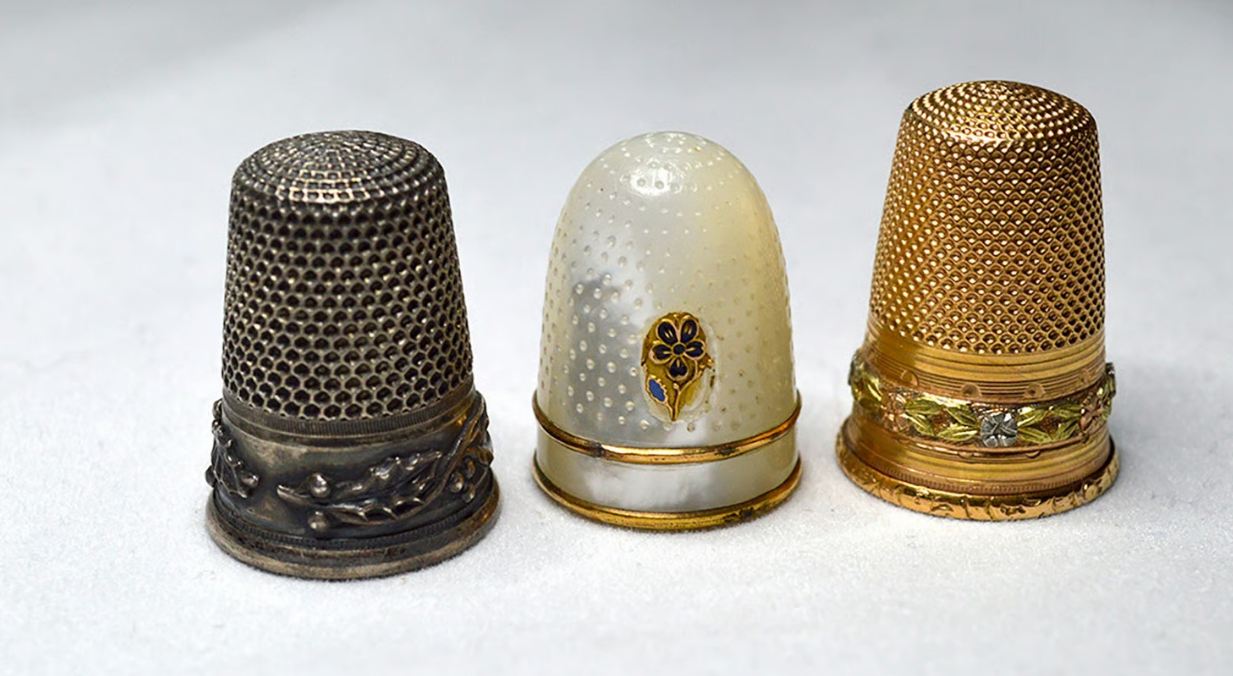
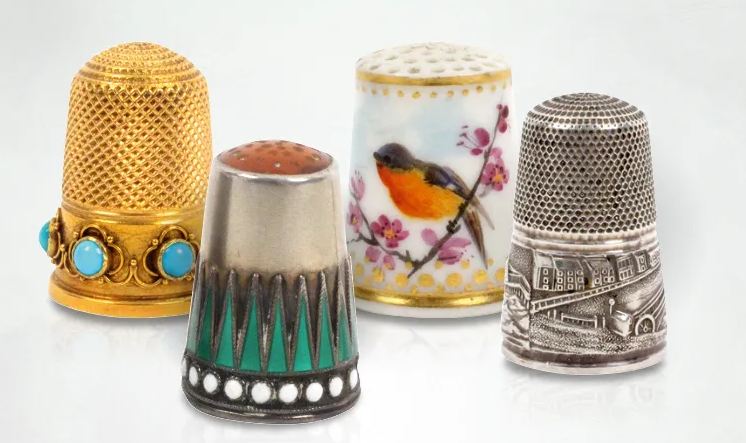
The 18th and 19th centuries marked a golden era for thimbles. With the rise of industrial manufacturing, thimbles became widely available and affordable. They were produced in large quantities using new techniques such as stamping and molding. This period also saw the rise of thimble collecting. Many people began to see thimbles not only as tools but also as decorative collectibles. Manufacturers started producing thimbles made from porcelain, glass, ivory, and even enamel. Some thimbles featured artistic designs, commemorative symbols, or scenes from everyday life. Collectors would often display them in special cases, much like miniature sculptures.
Symbolism and Cultural Meaning
Beyond their practical use, thimbles have also taken on symbolic meanings. In some cultures, they are associated with protection, care, and craftsmanship. Because they protect the finger from injury while sewing, they are often seen as symbols of safety and guidance. In literature and folklore, thimbles sometimes appear as small but meaningful objects, representing patience, detail, and the importance of small tools in larger creative work. They have also been given as gifts to mark special occasions, symbolizing care and attention between people.
Thimbles in the Modern World
Today, thimbles are still used by sewing enthusiasts, tailors, and quilters around the world. While modern machines have replaced much of traditional hand sewing, thimbles remain important for detailed or delicate work. They are also popular among collectors, with antique and themed thimbles being traded and displayed in collections globally. Modern designs often combine tradition with innovation, using materials like silicone and lightweight metals for comfort and durability.
A Small Tool That Stood the Test of Time
Despite their small size, thimbles have played a significant role in the history of textile work. From ancient craftsmen to modern hobbyists, they have remained a trusted tool for precision and protection. Their evolution reflects changes in technology, art, and culture, showing how even the simplest objects can carry rich stories through time. The thimble continues to be a reminder that usefulness and beauty can exist in the smallest of things.